
Every Country. Its Own Architecture. New Solar Opportunities.
At international solar trade fairs, where hundreds of PV manufacturers compete with high efficiency, premium quality, and impressive technical specifications, standing out takes more than another solar panel! Familiar regional architecture creates an instant eye-catching connection with PV specialists and visitors from each country. In this regard, a smart strategy is to showcase your PV products through iconic architectural styles that are widely recognized and appreciated as distinctive symbols of their respective countries.
Recognizing a piece of home at first glance makes them stop, smile, and explore how innovative PV solutions can transform the buildings they know best.
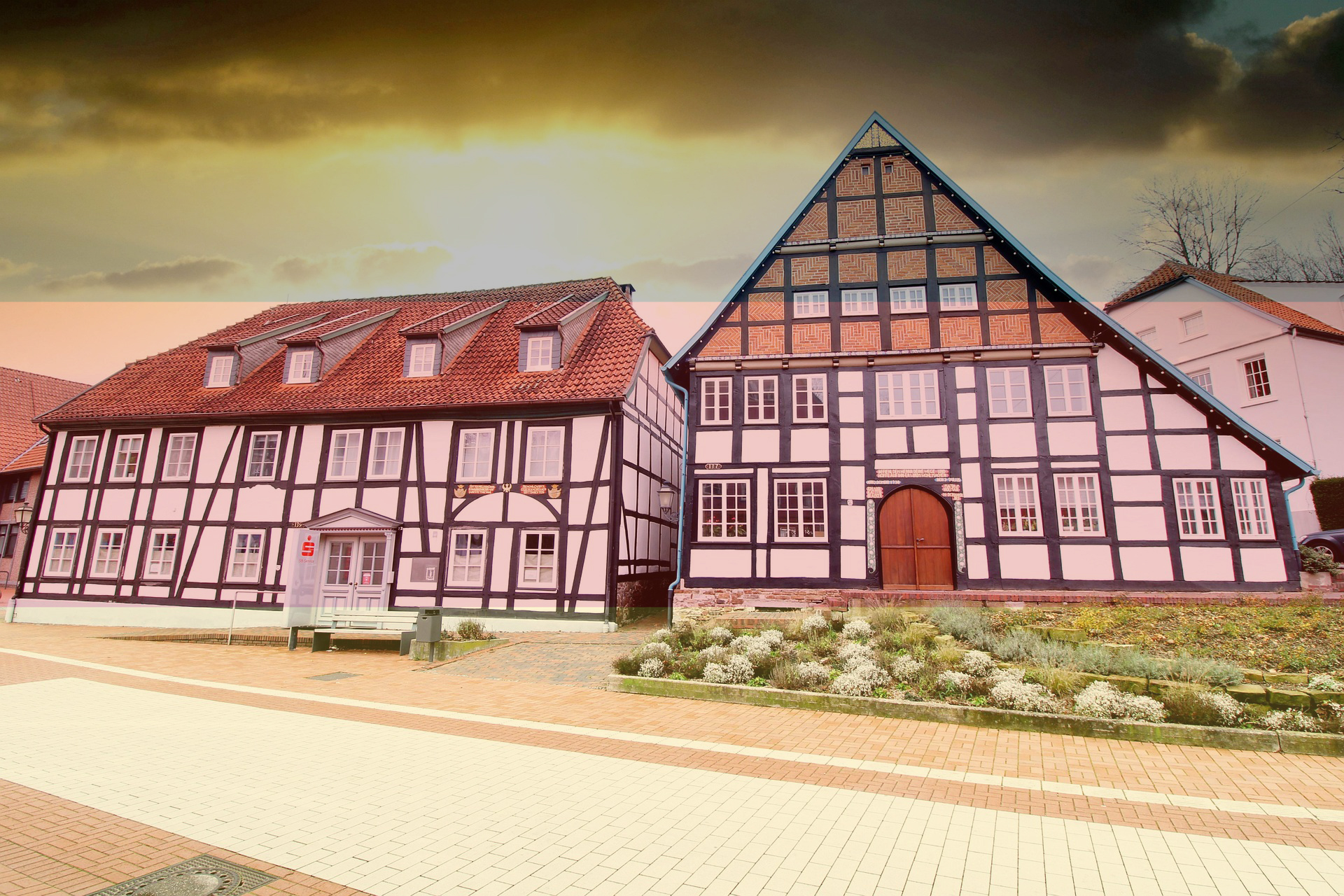
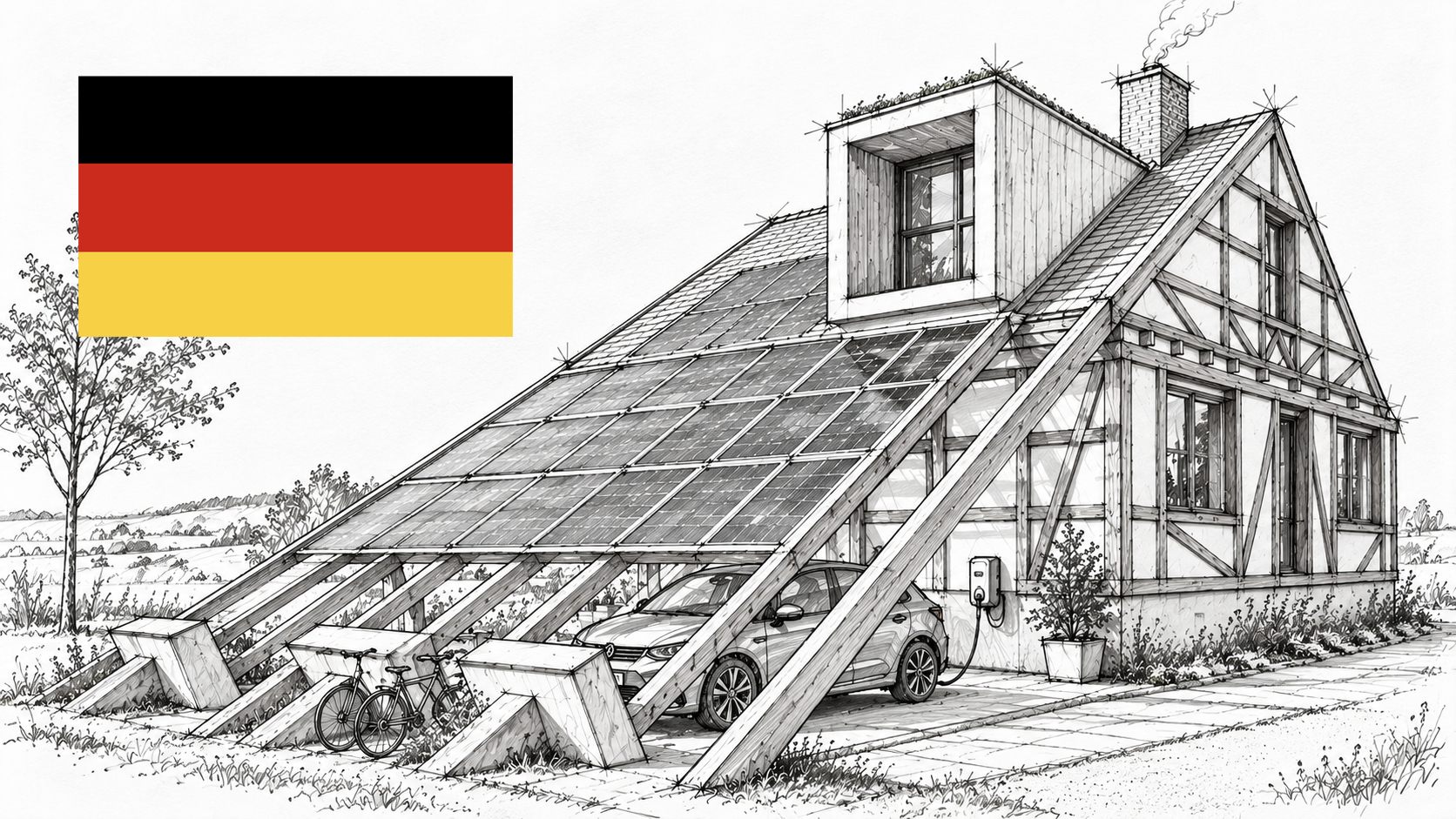
Germany’s traditional half-timbered houses, known as Fachwerkhäuser, feature exposed wooden beams, decorative façades, and steep tiled roofs. Their pitched roof surfaces offer opportunities for discreet PV integration, particularly with solar roof tiles and building-integrated photovoltaics (BIPV), while preserving their historic architectural character.
Germany is Europe’s leading solar PV market, reaching approximately 117 GW of installed capacity in 2025, with 16.4 GW added that year. The national target of 215 GW by 2030 creates substantial opportunities for PV manufacturers, particularly in residential rooftop systems and innovative BIPV solutions.
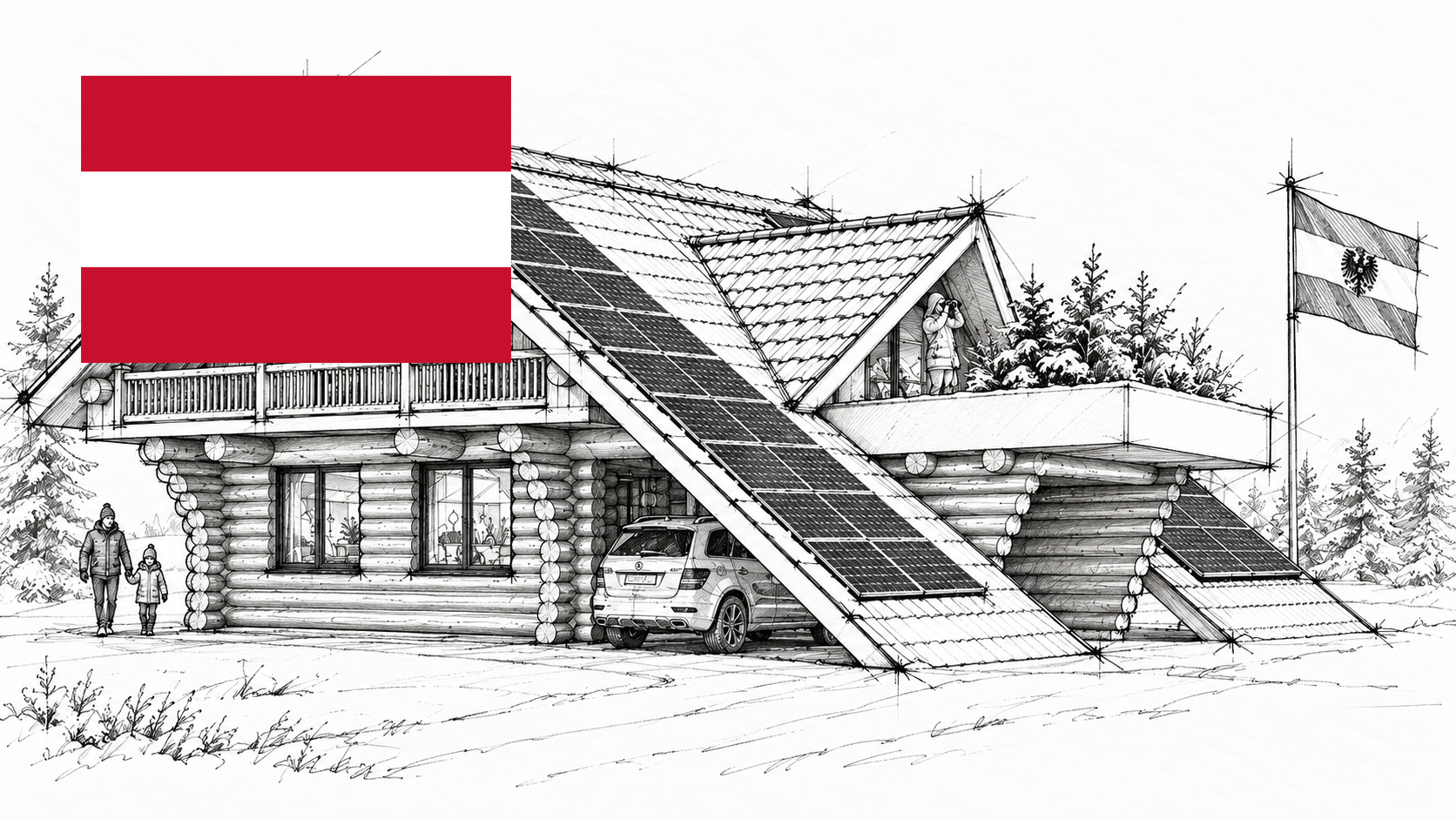
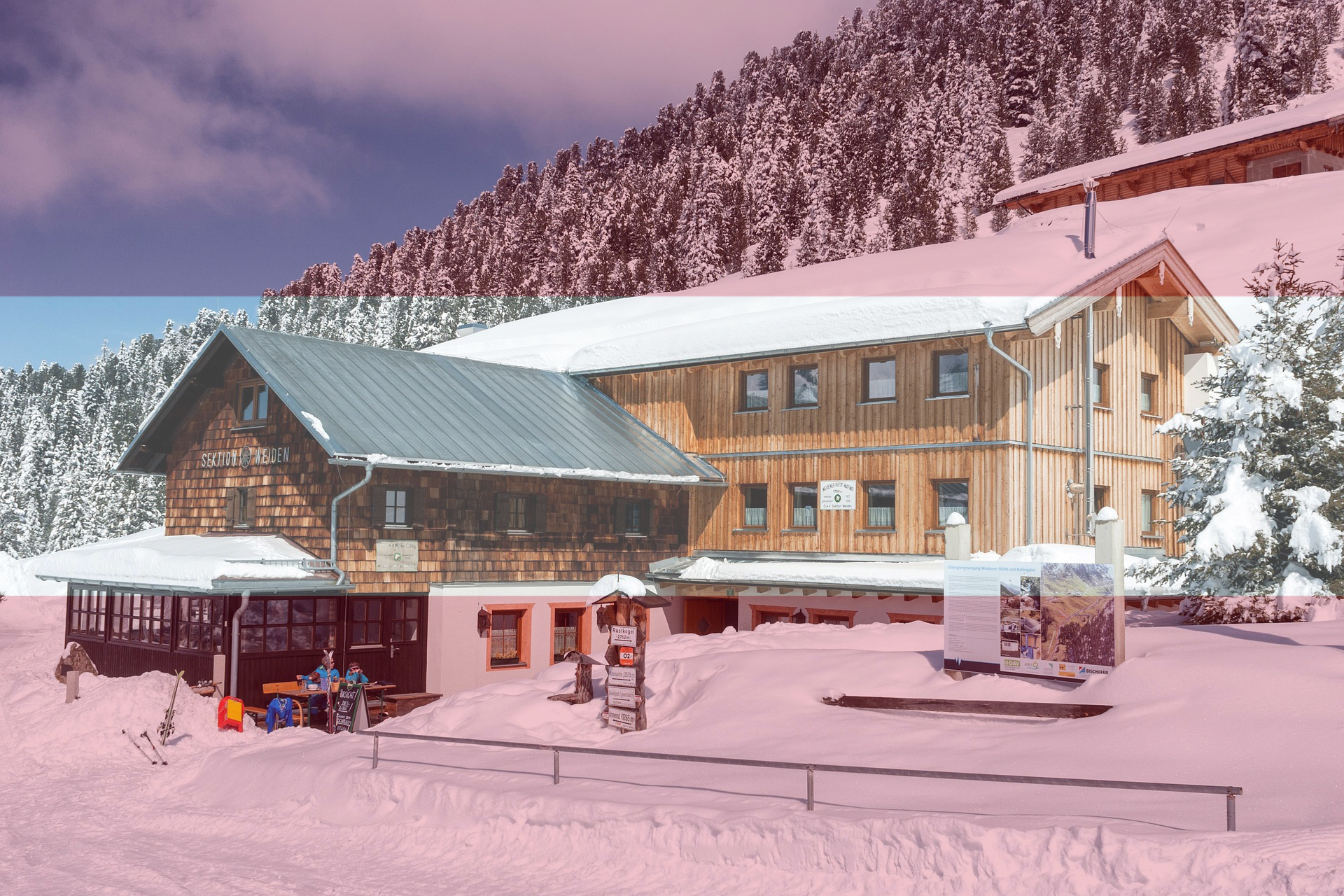
Austria’s traditional Alpine cottages feature natural timber façades, steep pitched roofs, and charming mountain architecture. Their large roof surfaces offer opportunities for PV integration, particularly in remote mountain locations where solar electricity can support tourism facilities and off-grid applications.
Austria’s solar PV market reached approximately 11 GW of installed capacity in 2025, with 1.8 GW added during the year. PV now supplies around 13% of national electricity, creating continued opportunities for manufacturers across rooftop, building-integrated, and ground-mounted PV applications.
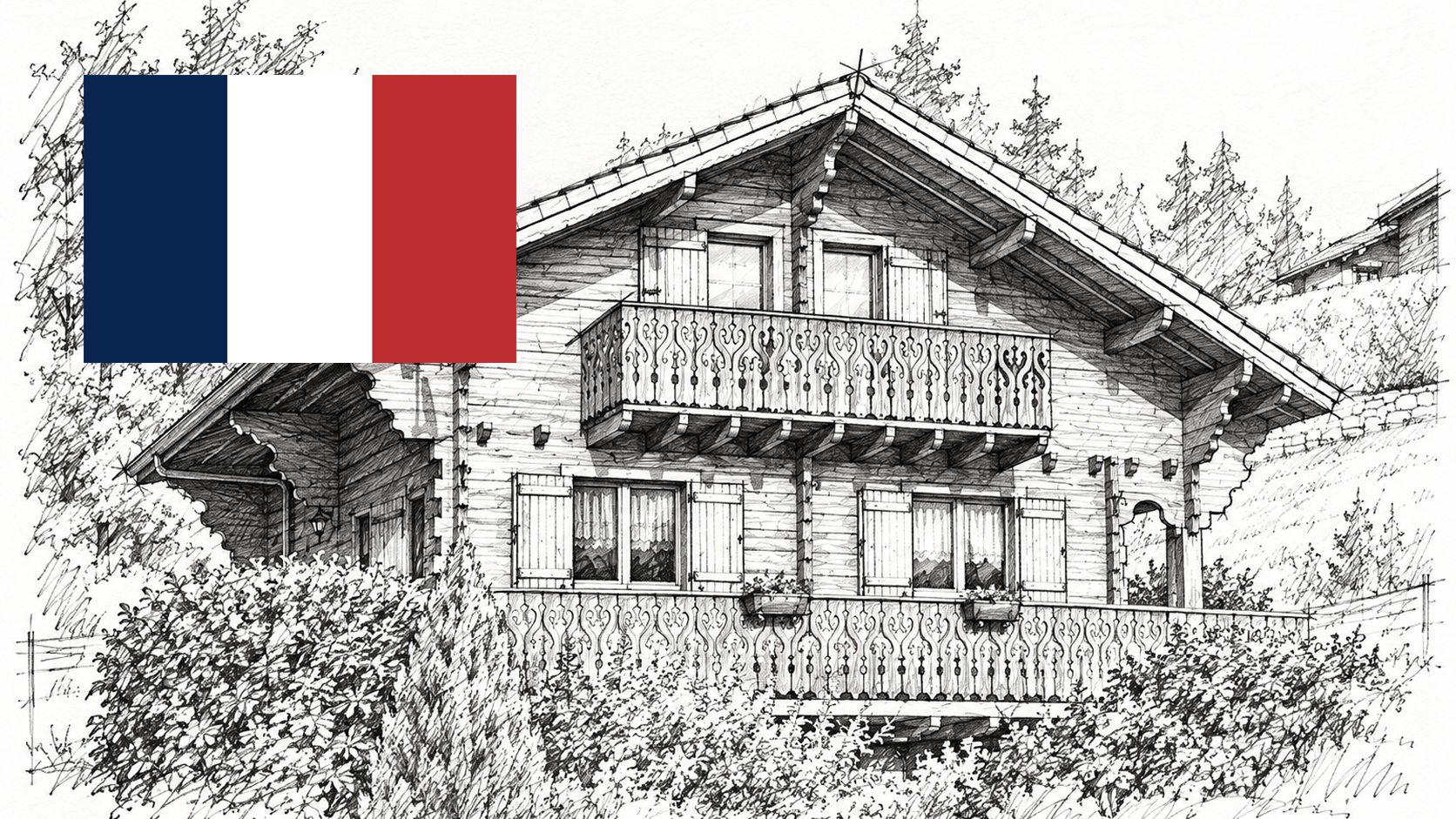
France’s charming Alpine chalets feature timber façades and extended pitched roofs, offering excellent opportunities for rooftop PV and solar-covered carports. Meanwhile, the French Riviera and Mediterranean coast—including Nice, Cannes, Saint-Tropez, Marseille, and nearby Monaco—are renowned for luxury villas with strong potential for innovative, aesthetically integrated PV solutions.
France’s solar PV market reached 34 GW of installed capacity by June 2026, with 3 GW added in the first half of the year. National targets of 48 GW by 2030 and 55–80 GW by 2035 highlight significant opportunities for PV manufacturers across residential, commercial, BIPV, and utility-scale applications.
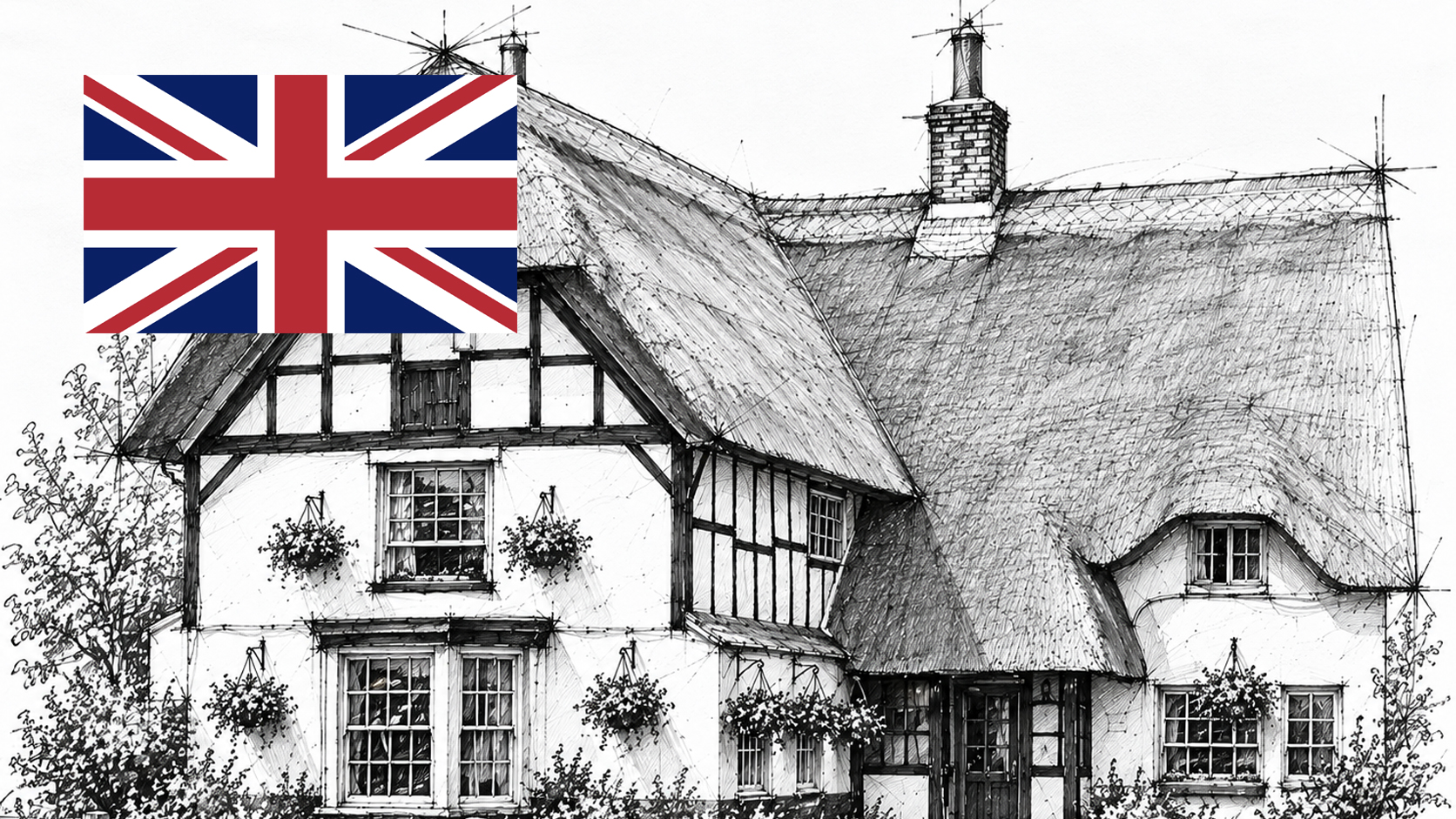
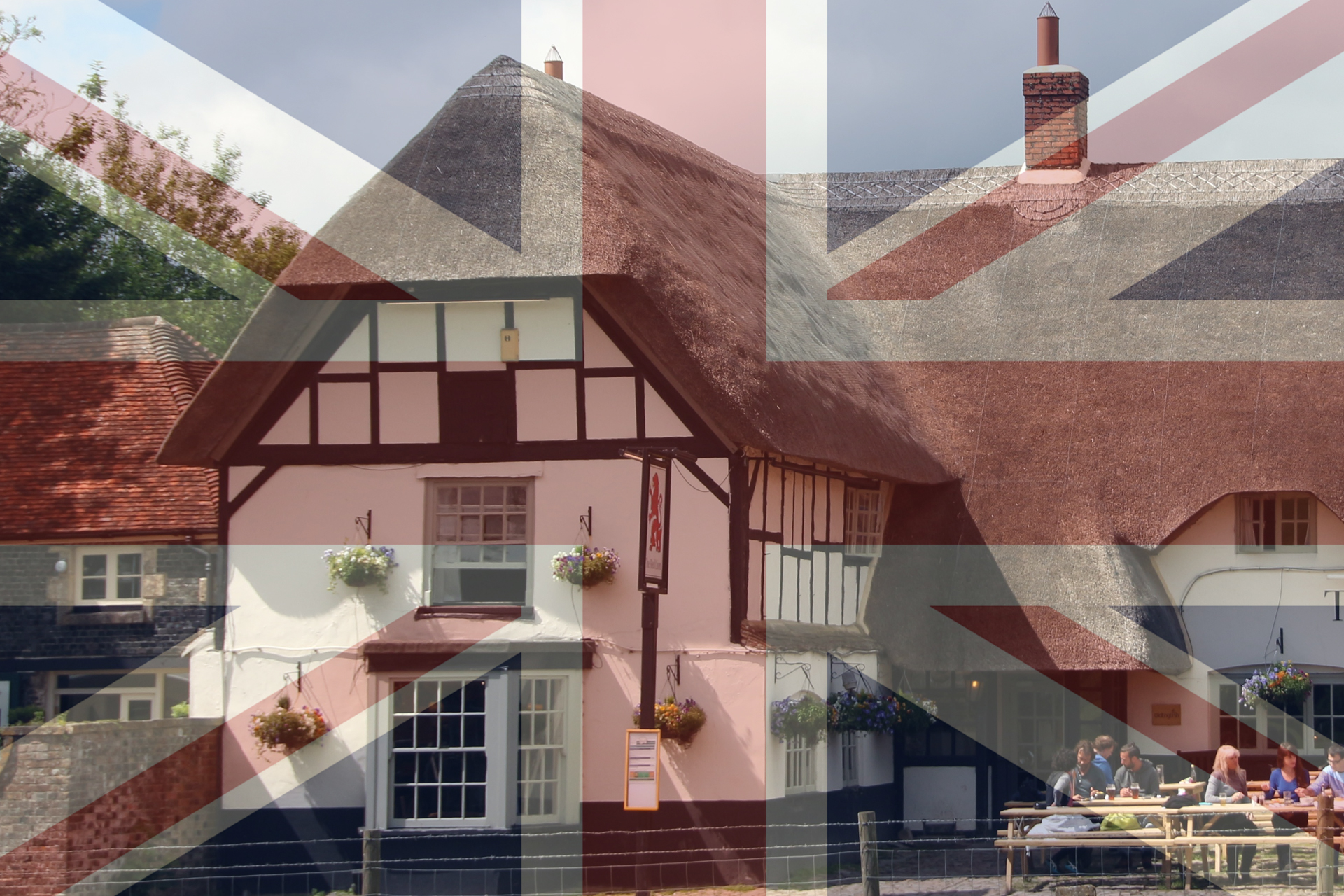
England’s charming cottages feature timber-framed façades and distinctive thatched roofs. While traditional thatched roofs are generally unsuitable for conventional solar panels, nearby garages, sheds, and outbuildings offer opportunities for PV integration without compromising their historic character.
The UK’s residential solar market is growing rapidly, with over 1.6 million homes equipped with solar PV by 2026. Domestic installations reached approximately 6.4 GW in 2025, up 16% from 2024.


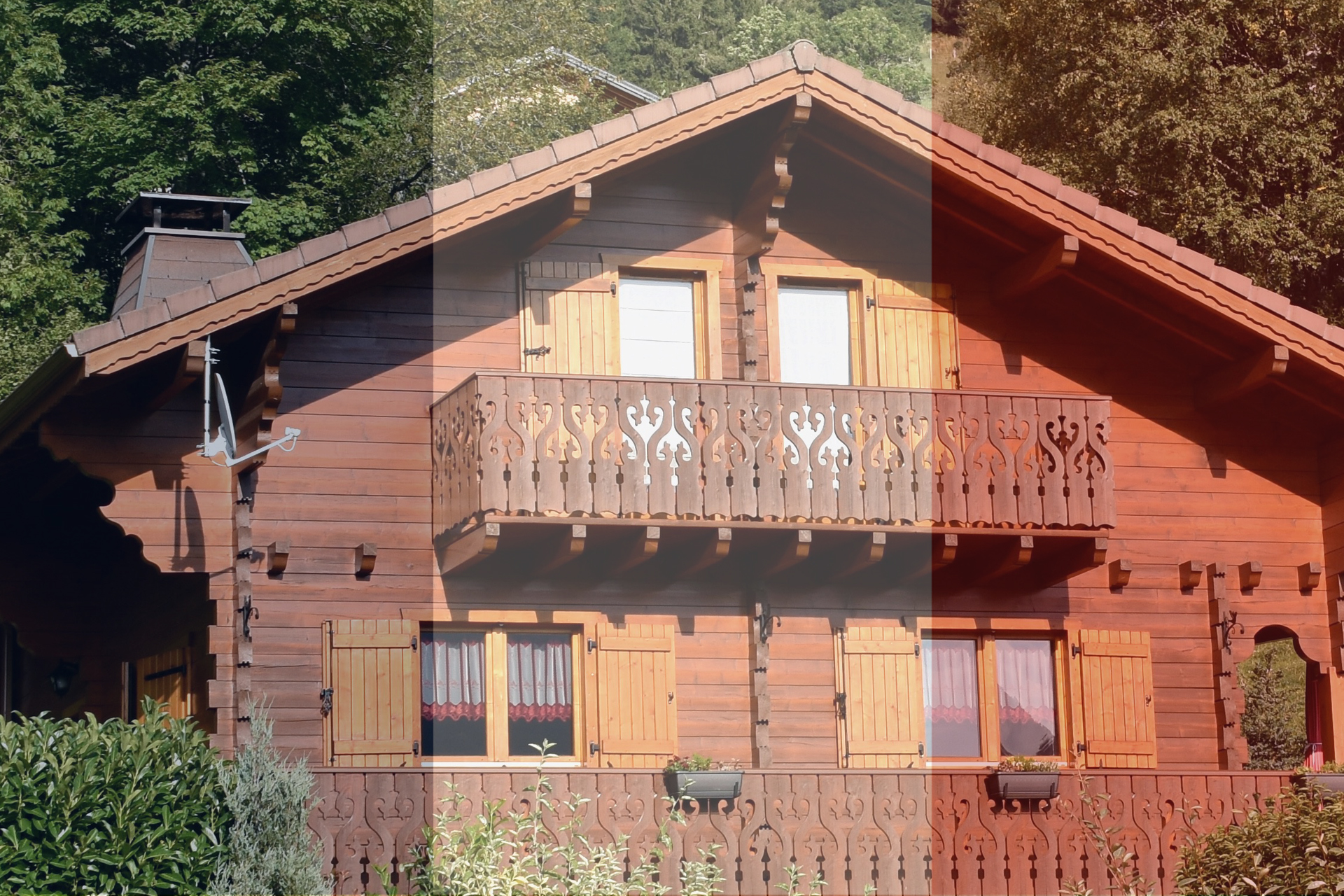
Switzerland’s iconic Alpine chalets feature timber façades, wide overhanging roofs, and distinctive mountain architecture. Their generous pitched roofs offer excellent opportunities for high-efficiency solar panels and discreet solar roof tiles that preserve traditional Swiss design.
In 2025, approximately 26,000 new PV systems were installed on Swiss single-family homes, adding around 340 MW of residential capacity. With nearly 10 GW of total solar capacity nationwide, Switzerland offers a growing market for durable, high-performance PV systems that blend naturally with Alpine architecture.
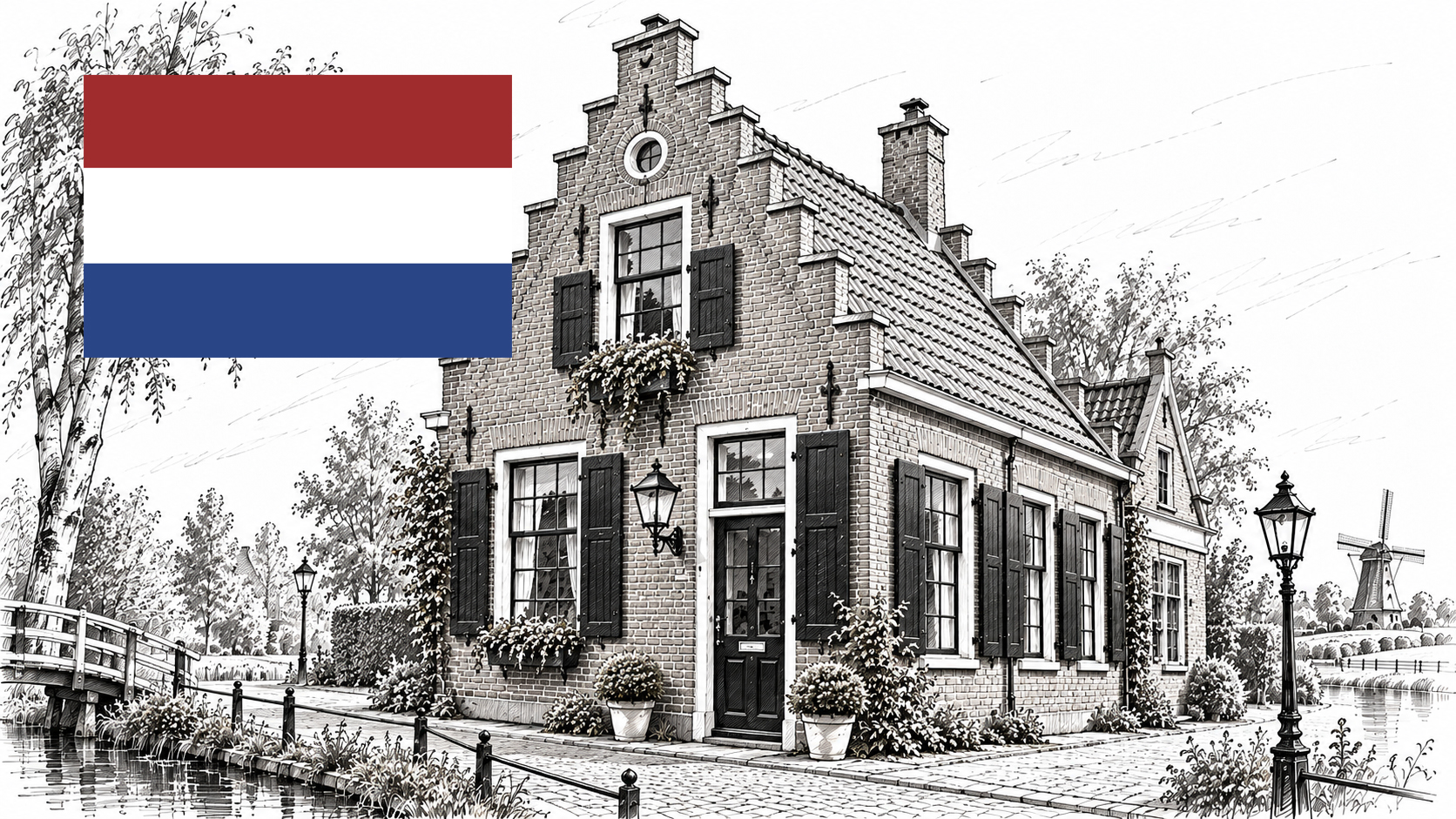
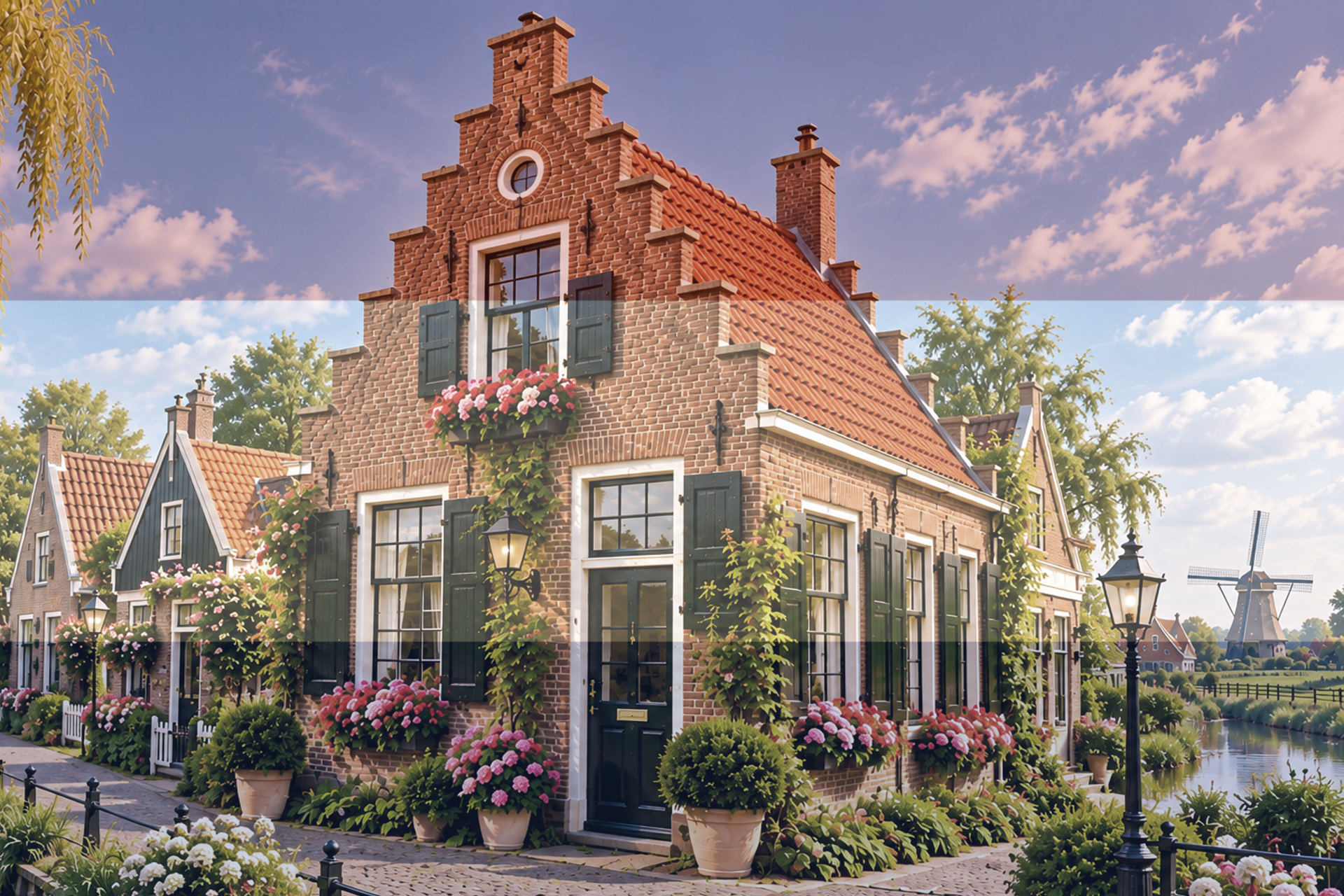
The Netherlands' traditional brick houses are a natural stage for solar panels, and with 29.4 gigawatts already installed, it's a promising market for manufacturers. Our architectural visualization shows how your panels blend seamlessly into that local style.
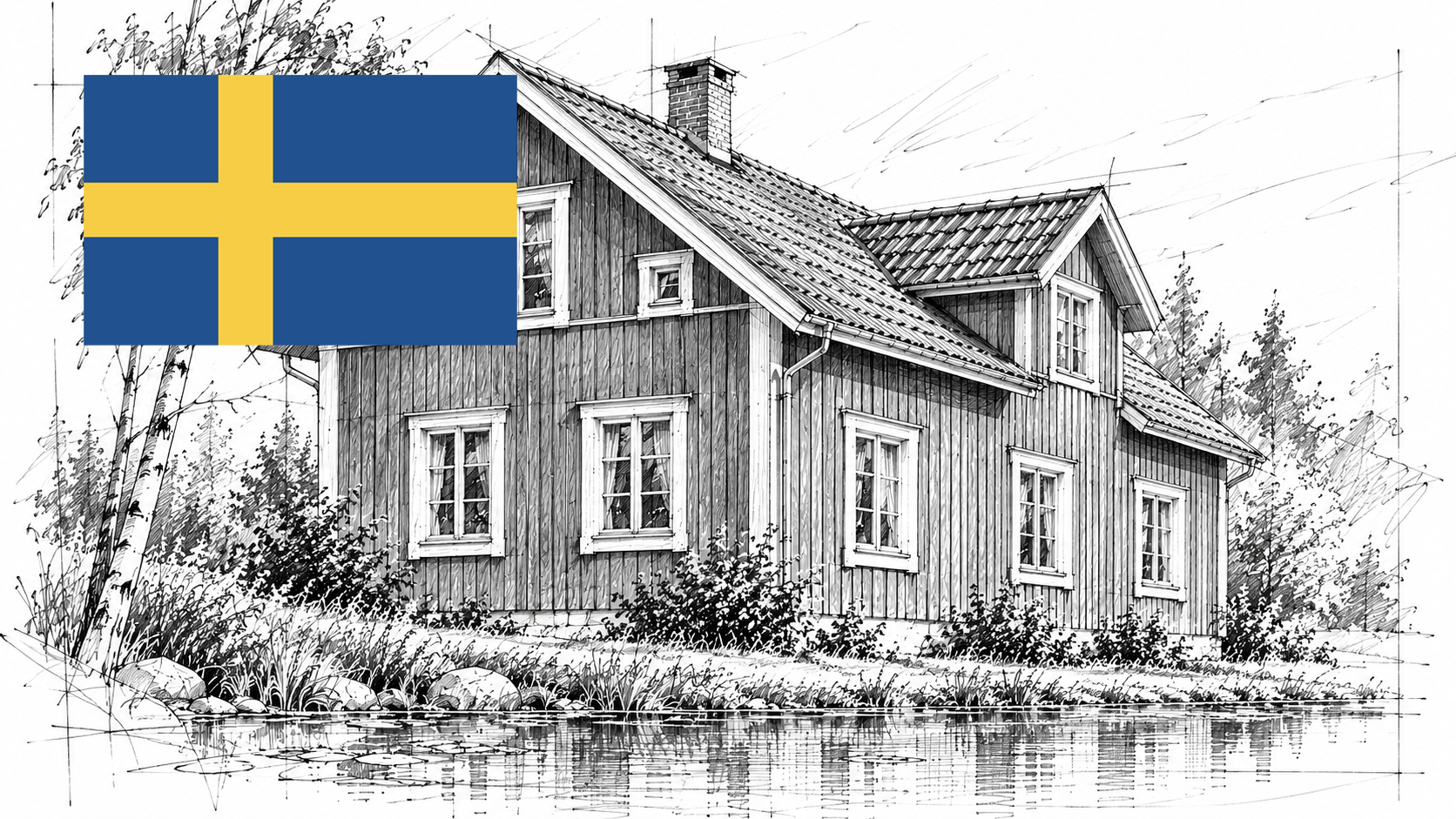
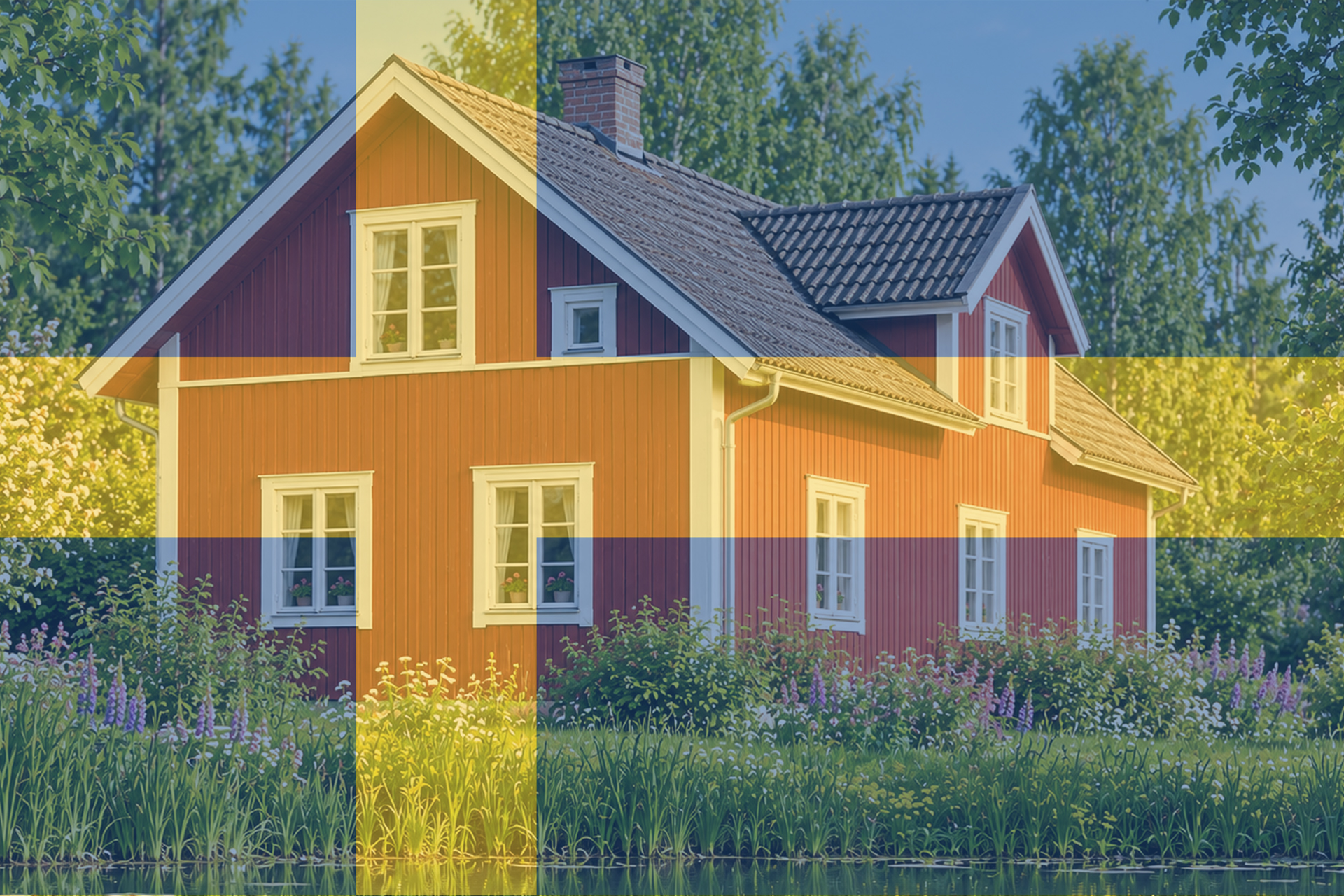
Sweden’s traditional longhouses offer great opportunities for solar while keeping that cozy Scandinavian feel. With around seventeen thousand new solar installations estimated for 2026, Sweden offers promising openings for international PV manufacturers. Their long, pitched roofs give space for carefully arranged panels, while the red wooden façades and white details preserve the unique character of Swedish architecture.
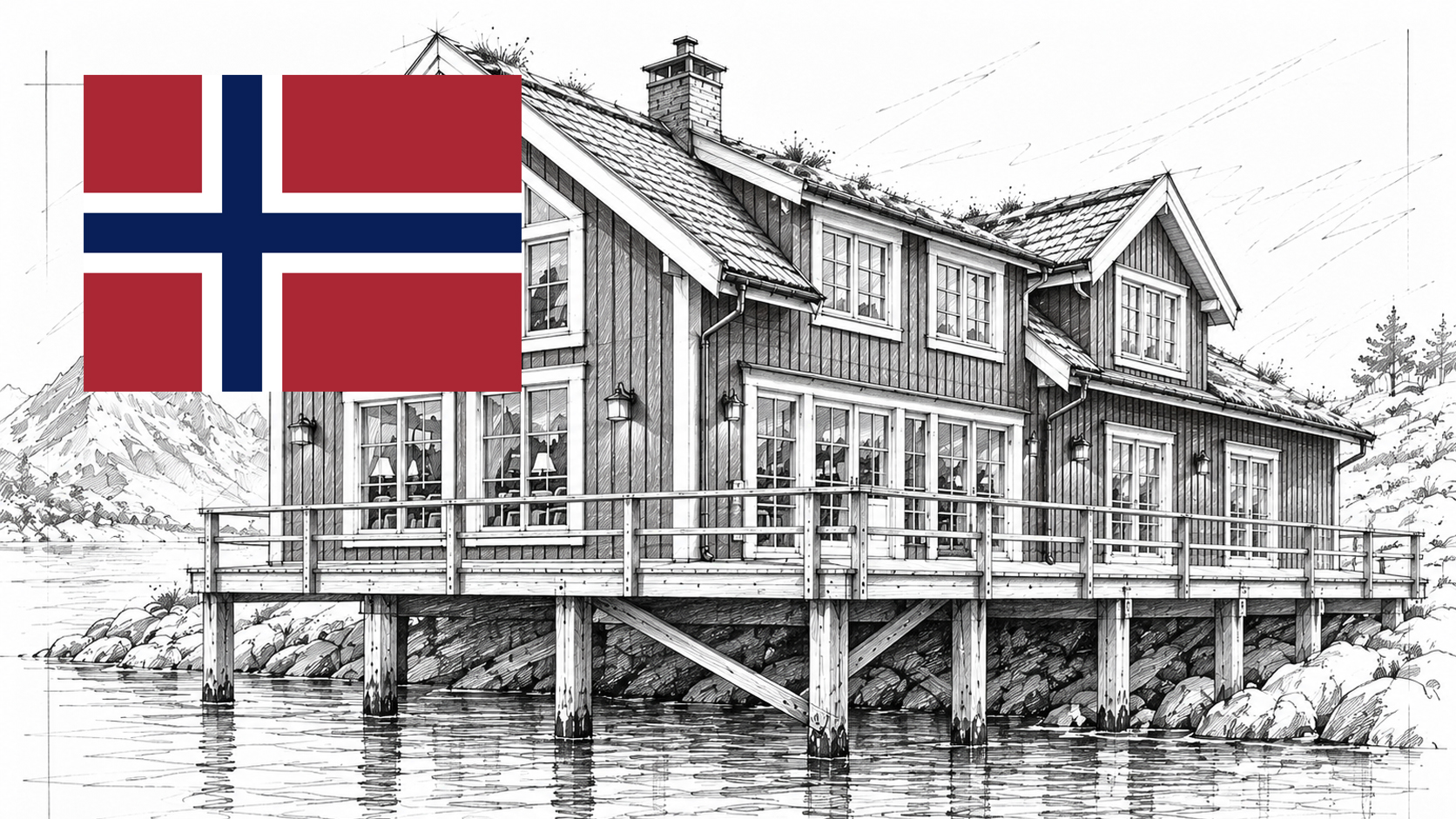
Norway’s traditional Rorbu houses offer great opportunities for solar panels. With approximately 30,000 solar installations by the end of 2025, Norway is a promising market for PV manufacturers. Their pitched roofs allow solar integration while keeping the charm of Norwegian coastal architecture.
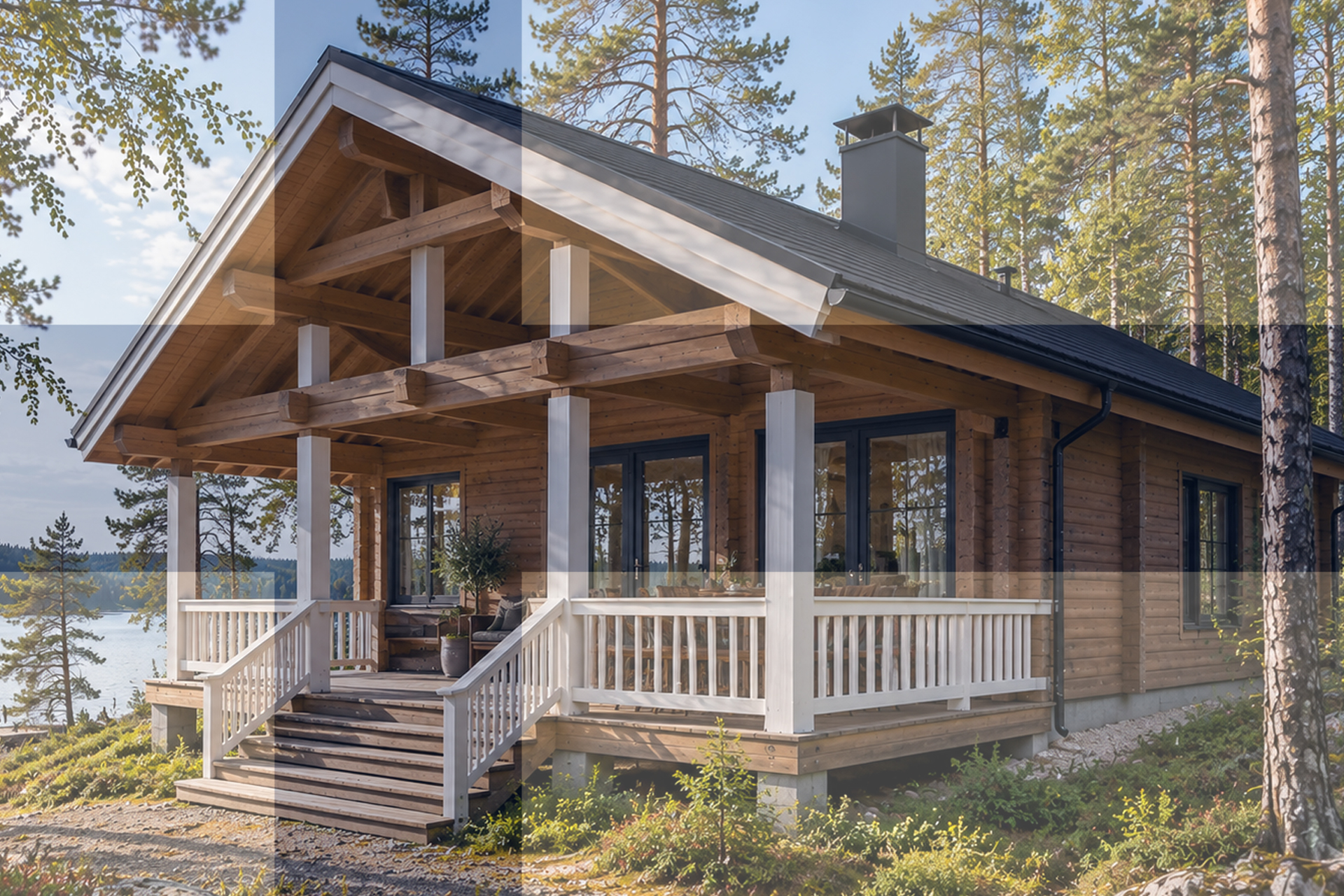


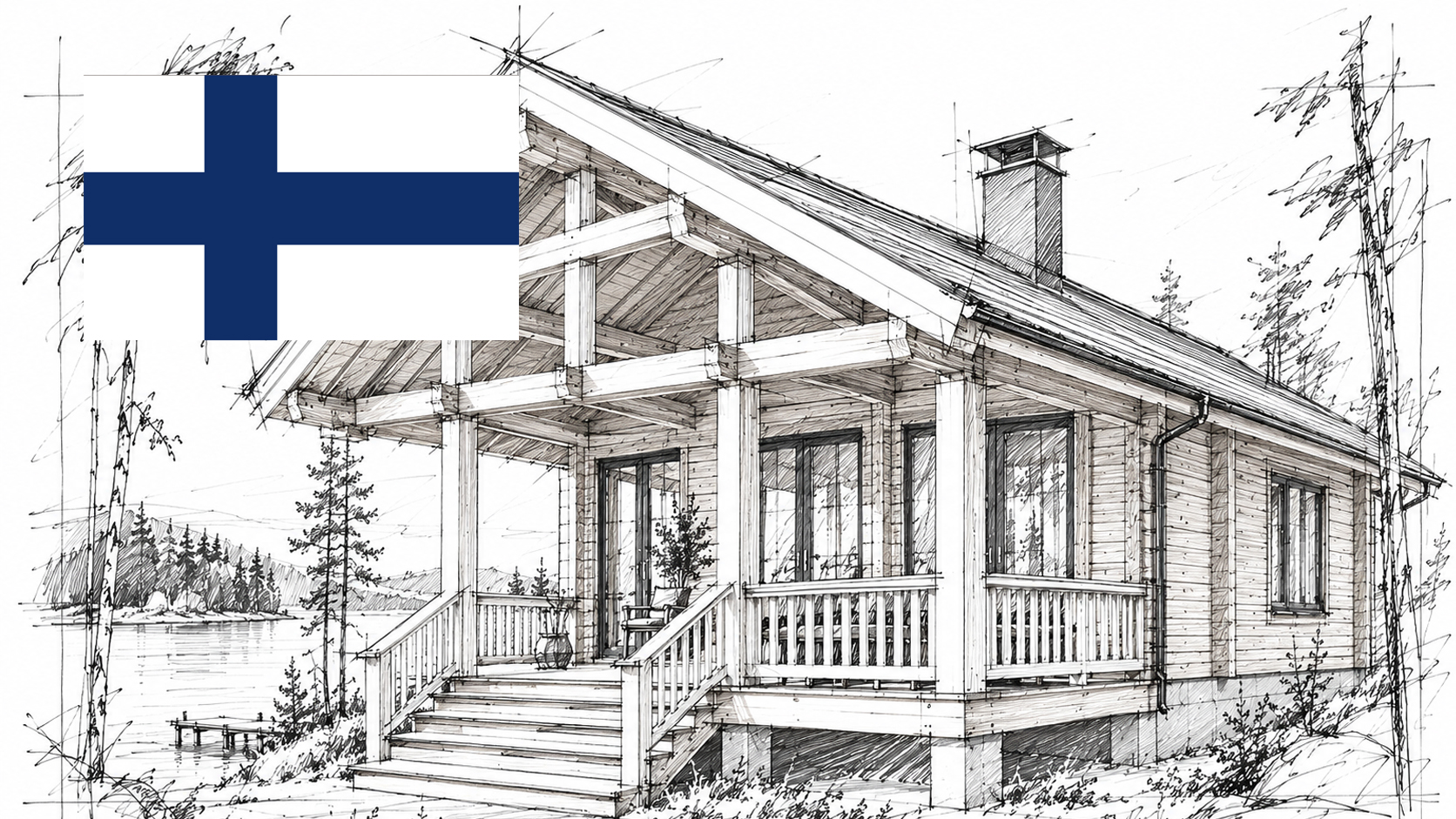
Finland’s traditional summer cottages, known as Mökki, combine natural timber construction with simple pitched roofs, making them suitable for solar panel integration. Often located beside lakes or in forests, these cottages offer opportunities for off-grid and hybrid solar systems, particularly in remote areas.
With over 500,000 holiday homes and approximately 1,250 MW of grid-connected solar capacity at the beginning of 2025, Finland presents a promising market for PV manufacturers.
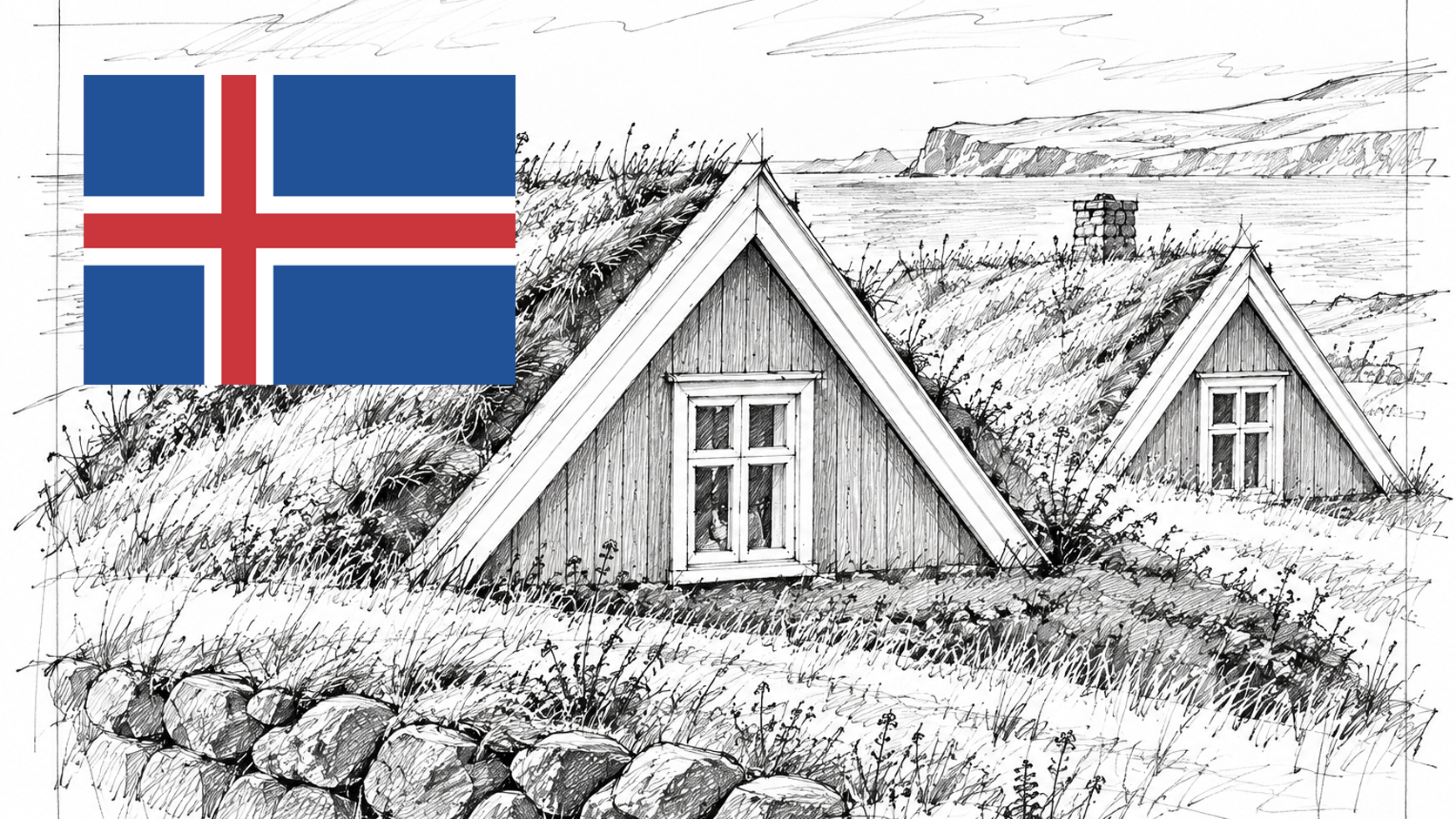
Iceland’s traditional turf houses, known as Torfbær, feature timber structures, steep gables, and distinctive grass-covered roofs that provide natural insulation against the harsh Nordic climate. Their historic turf roofs are generally unsuitable for conventional solar panel installations.
Iceland’s solar PV market reached approximately 7 MW in 2024, marking more than sixfold growth over the past decade. With solar contributing only 0.1% of electricity generation in 2025 and national electricity demand projected to increase from 20 TWh to 27 TWh by 2050, Iceland offers growing opportunities for PV manufacturers across various applications.
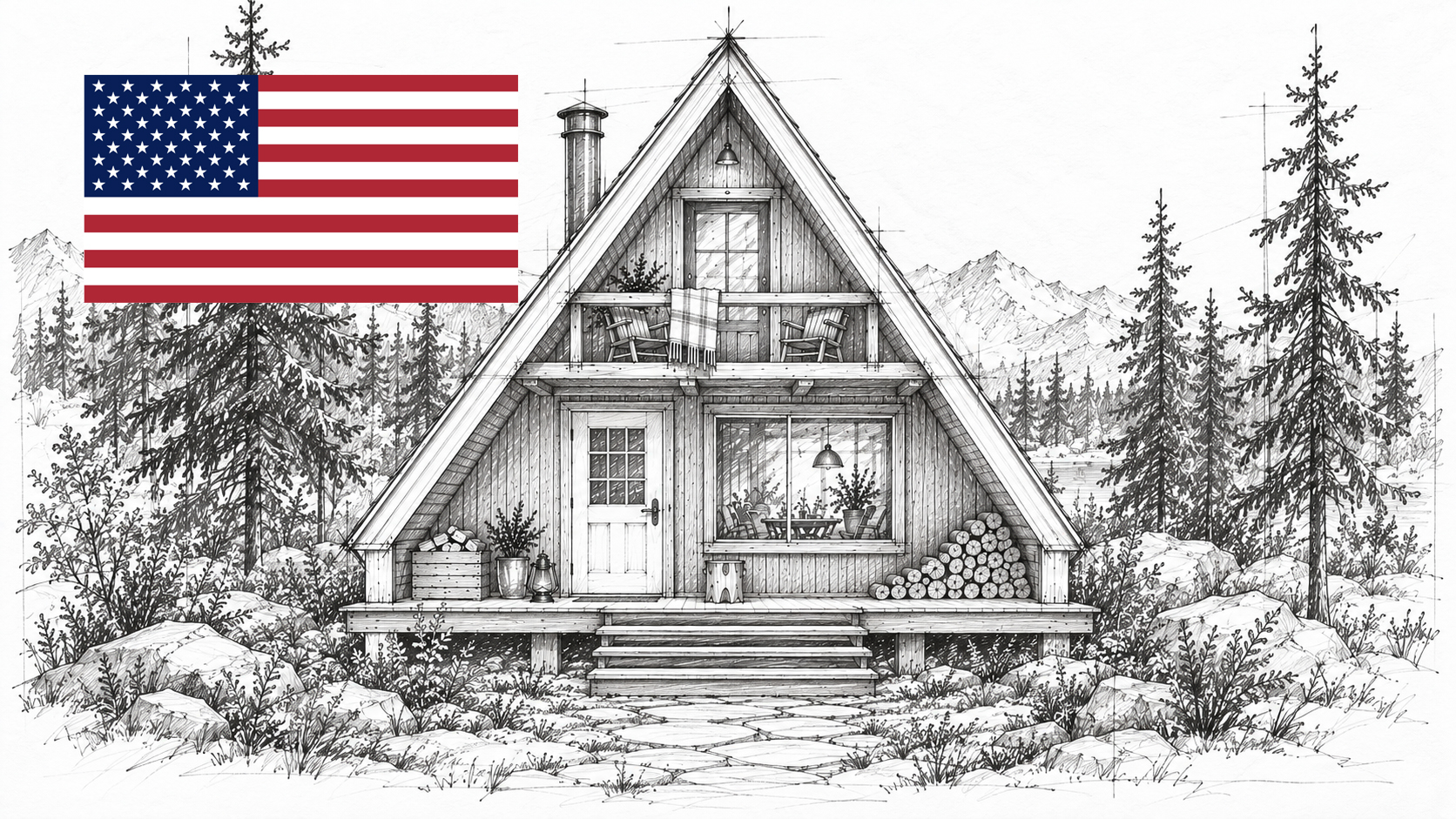
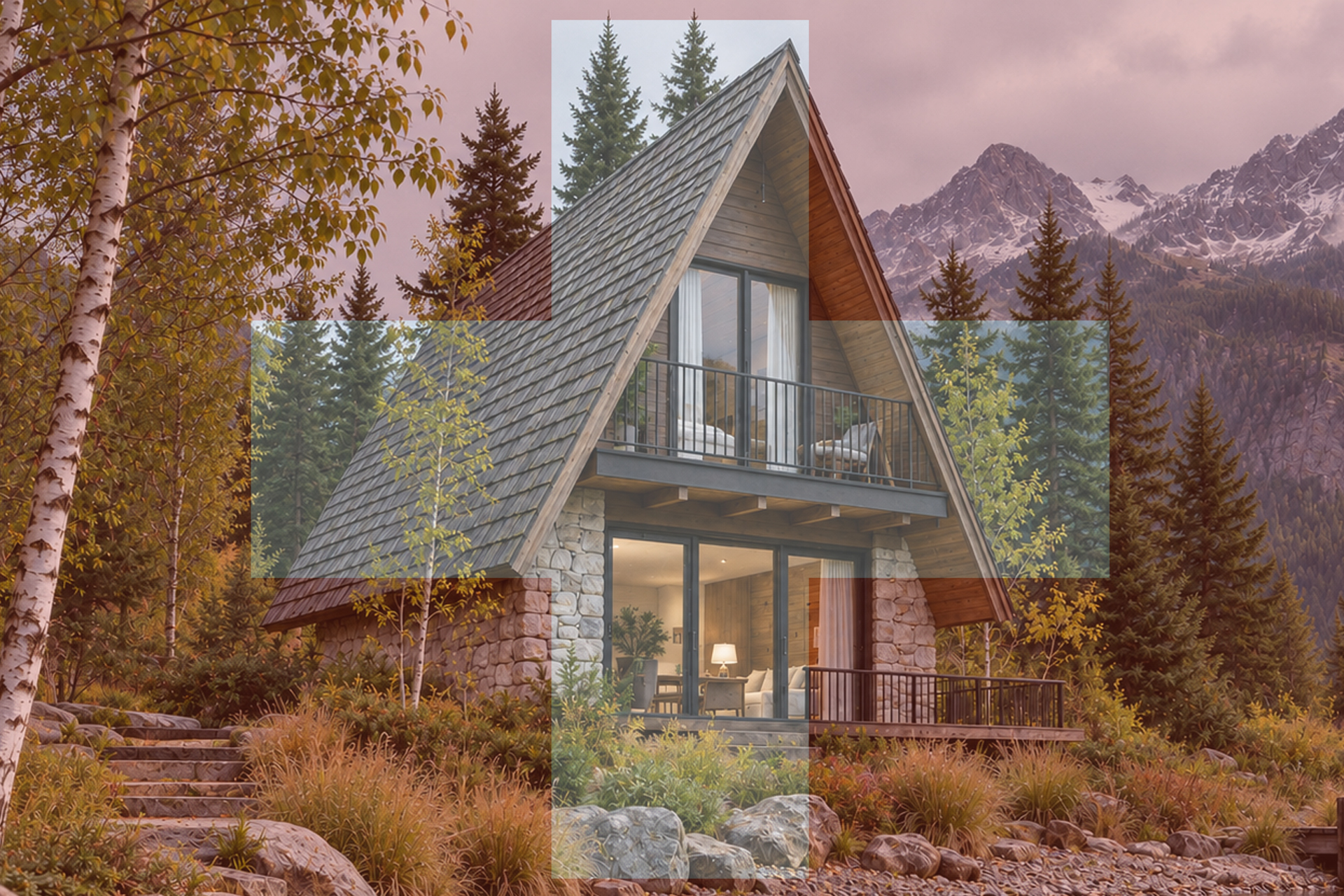
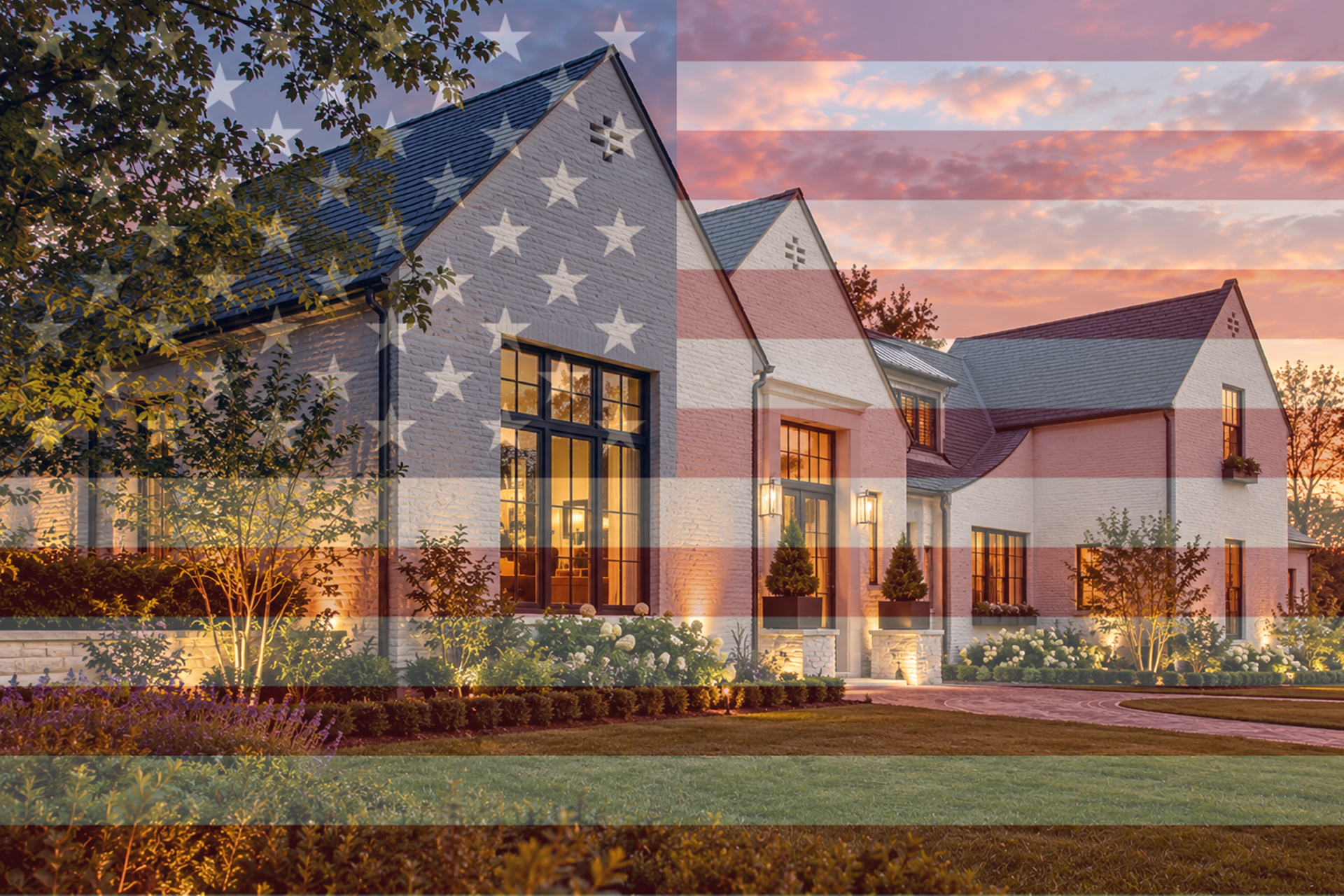
American A-frame houses are known for their distinctive triangular design, steeply pitched roofs, and cozy timber interiors. Popular in mountain and forest retreats, their large roof surfaces offer opportunities for solar panel integration, particularly on sun-facing slopes. Their simple geometry also makes them suitable for building-integrated photovoltaics (BIPV).
The USA remains one of the world’s largest PV markets, with approximately 279 GW of installed solar capacity by the end of 2025 and 43.2 GW added during the year, accounting for 54% of new electricity-generating capacity. With total solar capacity projected to reach 769 GW by 2036, the country offers substantial opportunities for PV manufacturers across residential, commercial, and utility-scale applications.
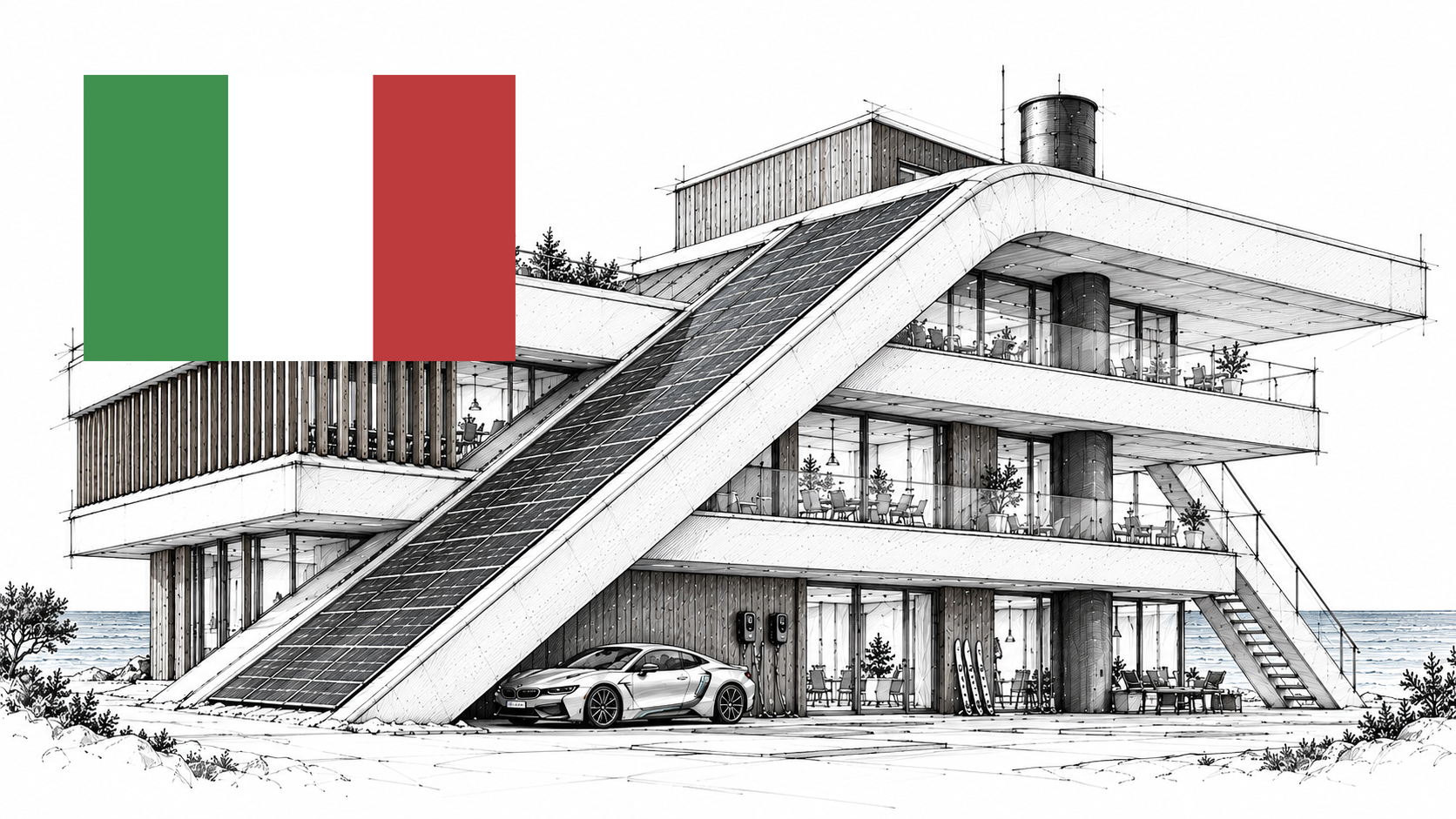
Italy’s stunning landscapes, warm climate, rich culture, and affordable land in selected regions attract growing luxury villa development. Modern villas with elegant terraces and expansive roofs create strong demand for innovative, aesthetically integrated PV solutions.
Italy’s luxury property market saw 22% growth in buyer inquiries in 2025, while solar PV capacity reached 48.3 GW by September 2026, including 4.8 GW added in nine months. This growth offers attractive opportunities for PV manufacturers, particularly in premium residential applications.